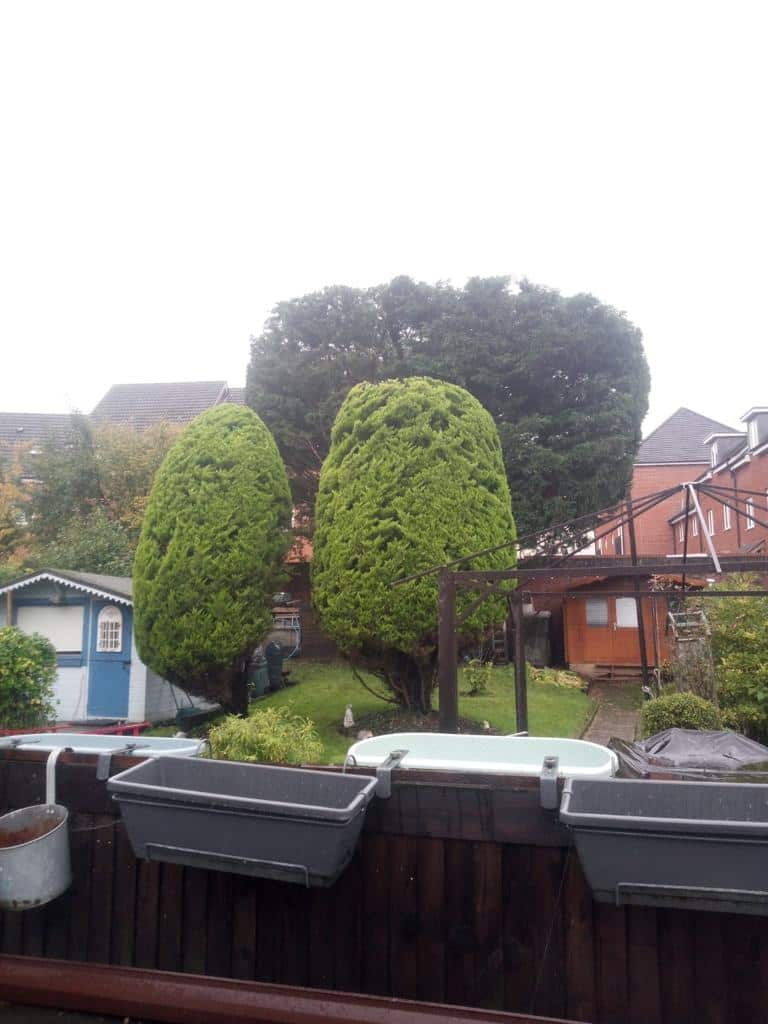
Trees provide shade, support local wildlife and enhance the appearance of gardens and outdoor spaces. However, when a tree becomes unstable, severely damaged or diseased, it can pose a serious risk to people and nearby property. Recognising the warning signs early can help homeowners in Winchester, Hampshire, take appropriate action before a dangerous situation worsens.
Emergency tree removal may be necessary when a tree presents an immediate safety concern and cannot be made safe through less extensive tree surgery. Knowing what to look for can help you decide when to seek professional assistance from an experienced tree surgeon.
Signs That a Tree May Need Emergency Removal
Not every damaged or unhealthy tree needs to be removed immediately. However, certain symptoms indicate that a tree should be assessed as soon as possible, particularly following severe weather or a sudden change in its condition.
1. A Tree Is Leaning Suddenly
A tree that has developed a new or noticeably increasing lean may have suffered root damage or become unstable in the ground. This is particularly concerning after strong winds, prolonged rainfall or waterlogged conditions.
Look for disturbed soil around the base, raised roots or cracks in the ground. These signs may indicate that the root plate is moving and the tree could be at risk of falling.
An established tree that has always grown at an angle is not necessarily dangerous. A sudden change in its position, however, warrants urgent professional assessment.
2. Large Branches Have Broken or Fallen
Broken limbs and hanging branches can create significant hazards, especially when they are suspended above entrances, driveways, garden paths or areas used by children.
A damaged branch may fall without warning, while extensive limb failure can indicate deeper structural problems within the tree. If a substantial section has broken away, the remaining branches and trunk should also be inspected.
Avoid standing beneath damaged branches or attempting to remove large, suspended limbs yourself. A qualified tree surgeon can assess the immediate danger and determine the safest course of action.
3. The Trunk Has Developed Major Cracks or Splits
Deep cracks, significant splits and areas where the trunk appears to be separating can indicate serious structural weakness. If the damage extends through a substantial part of the trunk, the tree may no longer be able to support its own weight safely.
Pay particular attention to fresh cracks, exposed internal wood and splitting near major branch unions. These problems can become more dangerous when the tree is exposed to strong winds.
Although some cracks can be managed through appropriate tree surgery, severe structural damage may make emergency removal the safest option.
4. The Tree Has Fallen or Its Roots Have Become Exposed
A tree that has partially fallen, shifted at its base or lifted a section of its root system requires urgent attention. Even if it remains upright, it may be unstable and could collapse further.
Exposed roots alone do not always mean a tree is unsafe. However, raised soil, broken roots and movement around the base can indicate that its anchorage has been compromised.
Keep people away from the affected area and avoid disturbing the tree. A professional assessment is essential to determine whether the tree can be stabilised or must be removed.
5. Severe Decay Has Weakened the Tree
Fungal growth, cavities, dead sections and soft or crumbling wood can be signs of internal decay. While some trees can remain stable despite limited decay, extensive deterioration may reduce the strength of the trunk or major limbs.
Warning signs become more concerning when decay appears alongside large dead branches, trunk cracks or a change in the tree’s position.
A tree’s external appearance does not always reveal the full extent of internal damage. An experienced tree surgeon can assess its condition and establish whether emergency removal is necessary.
6. Storm Damage Has Made the Tree Unsafe
Strong winds and heavy rain can expose weaknesses that were not previously obvious. Trees may lose major limbs, develop split trunks or suffer root damage that leaves them vulnerable to falling.
After severe weather in Winchester, Hampshire, inspect trees from a safe distance for broken branches, fresh cracks, leaning trunks and disturbed ground around the roots.
Do not approach a tree that is touching power lines or appears likely to collapse. Keep clear and contact the appropriate emergency service or utility provider where necessary. A tree surgeon can assess the tree once the immediate hazards have been addressed.
What Should You Do If a Tree Appears Dangerous?
If you suspect a tree poses an immediate risk, prioritise safety rather than attempting to investigate the damage closely.
- Keep people and pets away from the tree and the area where branches could fall.
- Avoid parking vehicles or placing equipment beneath damaged limbs.
- Do not climb the tree, cut large branches or use machinery to remove unstable sections.
- If the tree threatens a building, public access route or occupied area, seek urgent professional advice.
- If there is an immediate danger to life or the tree has brought down electrical cables, contact the relevant emergency services or utility provider.
Taking these precautions can reduce the risk of injury while arrangements are made for a professional assessment.
Does Every Dangerous Tree Need Emergency Removal?
Not necessarily. The appropriate response depends on the tree’s condition, its location and the level of risk it presents.
In some cases, targeted pruning, removal of damaged branches or other tree surgery work may address the problem. However, if the trunk is severely split, the root system has failed or the tree is structurally unstable, removal may be the most suitable solution.
A professional assessment helps establish whether the tree can be retained safely or whether urgent removal is required. This avoids unnecessary removal while ensuring that serious hazards are dealt with appropriately.
Why Professional Emergency Tree Surgery Matters
Removing a dangerous tree can involve unpredictable movement, unstable timber and heavy branches. Attempting the work without suitable training and equipment can put people and nearby structures at risk.
Professional tree surgeons can assess the tree, identify potential hazards and plan a controlled removal where necessary. Depending on the location and condition of the tree, this may involve dismantling it in sections rather than felling it in one piece.
For property owners in Winchester, Hampshire, seeking prompt advice can help prevent an already hazardous situation from becoming more serious.
Conclusion
Recognising the warning signs of a dangerous tree is an important part of maintaining a safe garden or outdoor space. Sudden leaning, major trunk cracks, fallen limbs, root movement and severe storm damage can all indicate that urgent attention is needed.
If a tree on your property in Winchester, Hampshire, appears unstable or poses an immediate safety concern, LM Tree Surgery Winchester can help assess the situation and advise on the most appropriate next steps. Contact the team to discuss your concerns and arrange professional assistance where required.
Call us on: 01962 571 792
Click here to find out more about LM Tree Surgery Winchester
Click here to complete our contact form and see how we can help with your tree needs.