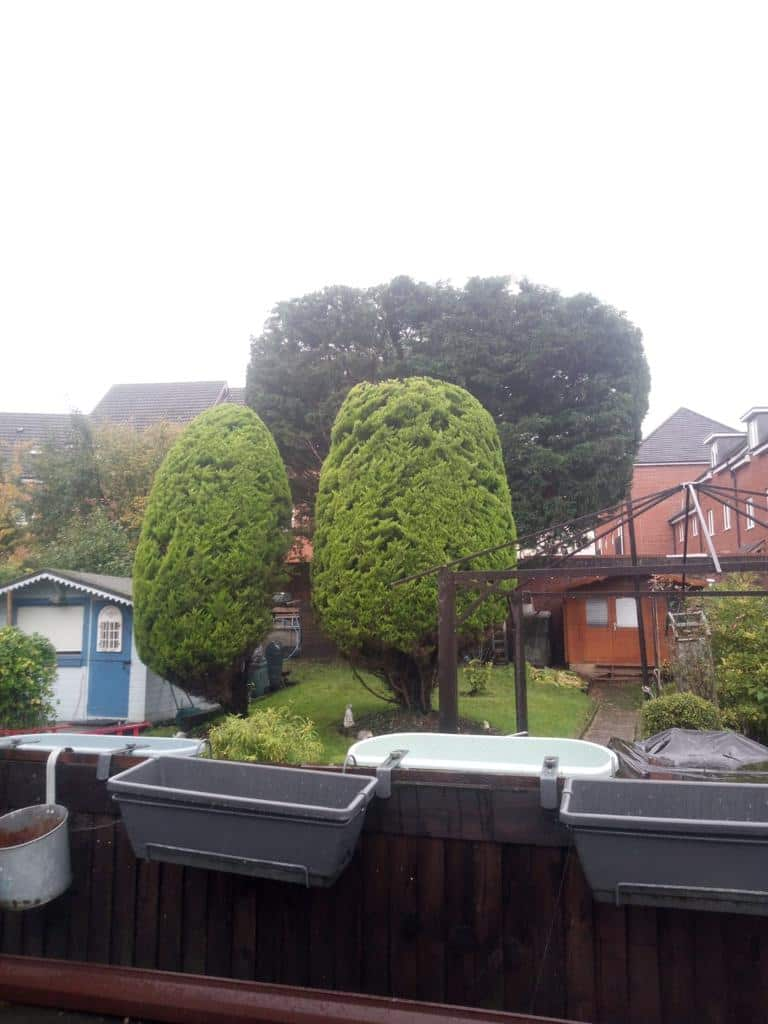
Removing an unwanted tree can create exciting possibilities for a garden. The newly opened space might seem ideal for fresh planting, a new shrub, a redesigned border or simply an area that can be incorporated more effectively into the surrounding landscape. However, once the tree has been felled, one substantial obstacle often remains: the stump.
For homeowners in Winchester, Hampshire, dealing with the stump can be an important first step before deciding how to reuse the former tree position. A stump occupies valuable ground, while its remaining woody structure and roots can make establishing something new in exactly the same area more complicated.
At LM Tree Surgery Winchester, professional stump grinding can help clear unwanted tree remains and provide a more practical starting point for the next stage of your garden.
Why Does the Stump Matter After Tree Removal?
Tree felling removes the trunk, branches and crown, but it does not automatically remove the base of the tree.
The stump and extensive root system remain below ground.
If you want to reuse the area, the remaining stump can:
- Occupy potential planting space
- Make soil preparation difficult
- Obstruct digging
- Interfere with changes to garden levels
- Produce unwanted regrowth in some circumstances
- Leave an awkward feature within a new planting scheme
This is why it is worth thinking about the future use of the space when arranging tree removal.
Why Is Planting Directly Beside an Old Stump Difficult?
The visible stump represents only part of the remaining tree.
Large structural roots may extend outwards beneath the surrounding ground. Soil close to the stump can therefore contain substantial amounts of woody material.
Trying to establish new planting immediately alongside the stump may leave limited workable soil and make it difficult to prepare the area properly.
Removing or grinding the unwanted stump provides greater flexibility when redesigning this part of the garden.
What Is Stump Grinding?
Stump grinding uses specialist machinery to progressively reduce the remaining stump into smaller material.
Rather than attempting to pull the entire stump and root system from the ground, the machine works directly on the main woody structure.
This is particularly useful where homeowners want to reclaim the space without carrying out extensive excavation across a much larger section of the garden.
The appropriate depth and approach will depend on factors such as:
- Stump size
- Tree species
- Accessibility
- Surrounding features
- Ground conditions
- Intended future use of the area
Professional assessment allows the work to be planned around the individual garden.
Why Not Simply Dig the Stump Out by Hand?
Small remnants from very young plants may sometimes be relatively straightforward to remove, but an established tree stump is very different.
The tree may have spent many years developing a strong root system capable of supporting a substantial trunk and crown.
Manual removal can involve extensive digging, cutting through large roots and attempting to extract extremely heavy sections of timber.
The work can quickly become far more disruptive than expected.
Professional stump grinding provides a much more targeted method of reducing the main stump structure.
Clearing the Stump Creates More Usable Space
One of the clearest advantages of stump removal is that the former tree position can become useful again.
An old stump effectively fixes the layout of that part of the garden. Paths, borders, planting arrangements and other features all have to work around it.
Once the stump has been dealt with, you have considerably greater freedom to reconsider the area.
Even if you are not planning to replant immediately, removing an unwanted stump can make future garden changes easier.
Can You Plant Another Tree in Exactly the Same Position?
This requires careful consideration.
Grinding the old stump does not mean that every underground root disappears. Much of the wider root system remains in the soil and gradually breaks down over time.
The former tree position may also contain grinding material and altered soil conditions that need attention before new planting.
If you want another tree close to the original location, the planting position should therefore be considered carefully rather than automatically placing it in exactly the same spot.
A slightly different position may provide more suitable conditions depending on the site and intended planting.
Soil Preparation Matters After Stump Grinding
Stump grinding clears the main obstruction, but it should not be confused with complete soil preparation for planting.
The area may contain a mixture of soil, wood fragments and stump grindings afterwards.
Before planting something new, the ground needs to be considered according to what you intend to grow.
A small ornamental planting area will have different requirements from a replacement tree.
The important point is to view stump grinding as the stage that removes the major physical obstacle and allows the area to be prepared properly for its next use.
Remaining Roots Will Gradually Break Down
A mature tree can have roots extending well beyond the stump itself.
Stump grinding generally does not involve excavating every root throughout the garden. Instead, remaining underground roots are normally left to break down naturally.
For many garden projects, removing every root would be unnecessary and highly disruptive.
However, understanding that roots remain underground is useful when planning new planting or landscaping around the former tree position.
Stumps Can Sometimes Produce New Growth
Depending on the tree species and condition, some stumps and remaining roots can produce new shoots.
This can be frustrating when the entire reason for removing the original tree was to reclaim the space.
Repeatedly cutting shoots addresses the visible regrowth but leaves the stump itself in place.
Professional stump grinding tackles the main woody structure and creates a much cleaner starting point for reorganising the area.
A Remaining Stump Can Restrict Border Redesign
Tree removal often forms part of a wider garden improvement.
Perhaps the original tree dominated a border, created excessive shade or simply became unsuitable for its position. Once it has gone, homeowners may want to redesign the entire section.
A stump in the centre of the proposed border can restrict where plants are positioned and how the soil is prepared.
Grinding it away allows the new planting scheme to be designed around the available space rather than around an old obstacle.
Stump Grinding Can Help When Creating a New Lawn
Not every former tree position needs to contain another plant.
You may decide that the best use of the newly available space is to extend the lawn.
Leaving the stump makes this difficult because it interrupts the ground surface and creates an obstacle when mowing.
Once the stump has been ground appropriately and the area properly reinstated, the former tree position can be incorporated more effectively into the surrounding garden.
Think About the Whole Area, Not Just the Visible Stump
When planning what should replace an old tree, it helps to consider the surrounding ground as a complete area.
Questions worth considering include:
- How large was the original tree?
- How much space has removal created?
- What is growing nearby?
- Do you want another tree or smaller planting?
- Will the area become lawn?
- Are other landscaping changes planned?
- How accessible is the stump for grinding equipment?
Answering these questions can help determine how stump removal fits into the wider garden plan.
Several Stumps Can Limit a Larger Garden Redesign
Where several trees have previously been removed, remaining stumps can make the garden feel surprisingly cluttered.
Each one creates another fixed obstacle that new landscaping has to accommodate.
Removing several unwanted stumps can open up possibilities for:
- Larger planting beds
- More continuous lawn areas
- Better garden access
- Simpler maintenance
- New landscaping layouts
- More flexible use of available space
The difference can be particularly noticeable when old stumps have remained in place for years.
Why Professional Stump Grinding Is Worthwhile
Stump grinding involves powerful machinery operating close to ground level, often around existing lawns, planting and other garden features.
Professional tree surgeons can assess the stump and surrounding area before beginning work.
At LM Tree Surgery Winchester, factors such as access, stump dimensions, nearby features and the intended future use of the space can all be considered when determining an appropriate approach.
This is far more effective than simply treating every stump in exactly the same way.
When Should You Arrange Stump Grinding?
It is worth considering professional stump grinding when:
- You want to replant the former tree area
- An old stump is occupying useful garden space
- You are redesigning an existing border
- The stump interferes with lawn maintenance
- Unwanted shoots are developing
- Several stumps make the garden difficult to manage
- You want greater flexibility for future landscaping
- The garden feels unfinished after tree removal
If you already know how you want to use the space afterwards, sharing those plans with your tree surgeon can help inform the work.
Plan Stump Removal as Part of the Tree Work
If a tree is going to be felled and you already know that the area will be reused, it makes sense to think about the stump from the beginning.
Otherwise, the tree may disappear while the most inconvenient part remains exactly where it was.
Planning ahead allows the complete transformation to be considered rather than treating tree felling and future garden use as unrelated projects.
Create a Better Starting Point for Something New
A removed tree can leave behind valuable garden space.
Whether you want new planting, a larger border, additional lawn or simply a more open garden, dealing with the remaining stump provides a more practical starting point.
It removes a major physical obstruction and gives you greater freedom to decide how the area should develop.
Rather than designing the new garden around the remains of the old tree, you can begin planning the space around what you actually want there next.
Conclusion
If you want to plant something new where an old tree once stood, dealing with the remaining stump should be one of the first considerations. The stump and surrounding woody material can restrict digging, reduce usable planting space and make future landscaping more difficult.
Professional stump grinding removes the main obstruction without requiring the entire root system to be excavated from the garden. Once the stump has been dealt with, the area can be appropriately prepared according to whether you want new planting, lawn or another garden feature.
For homeowners in Winchester, Hampshire, LM Tree Surgery Winchester provides professional stump grinding as part of our wider tree surgery services. If an old stump is preventing you from making better use of your garden, contact our team to discuss clearing the area and creating space for what comes next.
Call us on: 01962 571 792
Click here to find out more about LM Tree Surgery Winchester
Click here to complete our contact form and see how we can help with your tree needs.